In the high-stakes arena of home appliances, three titans dominate the retail landscape: the innovative duo from Korea, LG and Samsung, and the iconic American stalwart, Whirlpool. For consumers, this rivalry translates to an overwhelming array of choices. But how does LG, specifically, carve out its distinct territory against a tech-centric rival and a heritage-rich giant? The battle is less about sheer volume and more about strategic differentiation in design, technology, and customer experience.
1. The Innovation Frontier: LG’s Bet on “Lifestyle” Technology
While Samsung aggressively pushes the boundaries of connected, smart home integration, LG has doubled down on a philosophy of practical innovation that directly enhances core appliance functions.
-
Signature Technologies: LG has built its kitchen reputation on proprietary features like the InstaView™ Door-in-Door refrigerator (a pane that lights up with a knock) and the QuadWash® steam dishwasher. These are tangible, visible upgrades that solve everyday annoyances. In laundry, their TrueSteam™ and TurroWash™ systems focus on better fabric care, a direct appeal to performance-driven buyers.
-
The Smart Home Angle: Both Korean giants excel in connectivity. LG’s ThinQ AI platform allows for voice control and recipe integration. However, industry analysts often note that while Samsung’s approach can be more ecosystem-wide, LG’s strength lies in making individual appliances smarter at their primary tasks. For a deeper dive into the evolving smart appliance landscape, Consumer Reports offers an excellent, unbiased comparison of features and real-world usability in their Smart Home Appliance guide.
2. Battling the American Icon: The Whirlpool Factor
Whirlpool’s strategy is fundamentally different. Its strength lies in durability, widespread service networks, and brand trust built over generations. It competes on reliability and value, often dominating in essential categories like washers, dryers, and ranges.
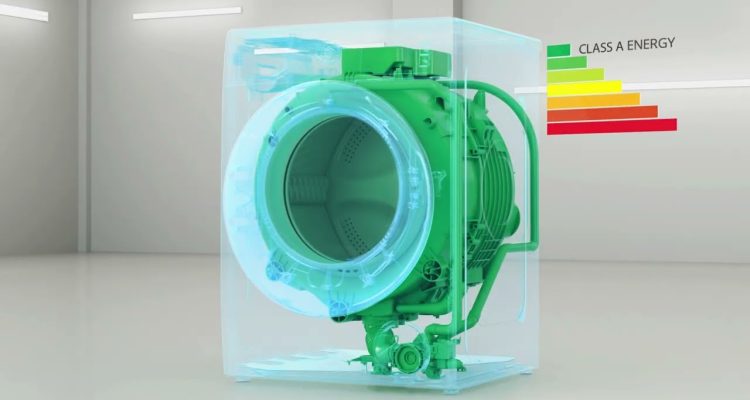
LG’s counterpoint here is design and premium performance. Where Whirlpool often offers timeless, straightforward functionality, LG injects modern aesthetics—sleek finishes, sophisticated curves, and premium materials. Furthermore, as noted in a comprehensive manufacturing analysis by CNET, LG has heavily invested in inverter-driven, direct-drive motors for their laundry lines, promoting them as quieter and more energy-efficient with longer lifespans—a direct challenge to Whirlpool’s reliability message.
3. The Marketing Arena: From Warranty to “Content”
The competition spills over into marketing promises:
-
Samsung touts futuristic Family Hub™ fridges and Bespoke customizable panels.
-
Whirlpool emphasizes American manufacturing and “every day, home-tested” resilience.
-
LG’s key differentiator has been its industry-leading warranty, particularly the 10-year limited warranty on linear compressor parts in refrigerators. This is a powerful, confidence-building tool against concerns about complex electronics.
Interestingly, all three brands now compete on content. Samsung and LG create online hubs showcasing recipes and home tips, transforming appliances from mere tools into lifestyle centers. For inspiration on how premium appliances are integrated into modern kitchen design, the renowned design platform Houzz features countless real-world kitchen projects showcasing these brands in action.
4. The Verdict: A Triopoly with Clear Choices
So, who wins the appliance wars? The customer does. Each brand’s strategy reveals a clear consumer profile:
-
Choose Samsung if your priority is cutting-edge tech, bold design, and seamless smart home connectivity.
-
Choose Whirlpool for trusted, value-oriented reliability, strong service access, and classic American design.
-
Choose LG for distinctive, practical innovation that enhances daily tasks, modern premium aesthetics, and strong performance guarantees.
Ultimately, LG competes not by mimicking its rivals, but by championing a middle path: more inventive and design-forward than Whirlpool, yet more focused on core appliance enhancement than the all-encompassing tech ecosystem of Samsung. In this tense triopoly, clarity of identity is LG’s most powerful weapon.