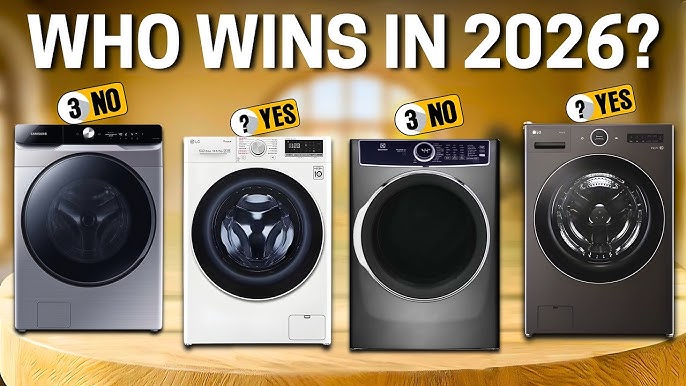
In the world of major home appliances, the competition is more than just a skirmish—it’s a full-scale war of innovation, branding, and ecosystem strategy. Three titans—Samsung, Whirlpool, and LG—command the battlefield, each with distinct arsenals. While Samsung dazzles with integrated tech and Whirlpool champions American-built reliability, LG has carved out a formidable and unique position. This is a deep dive into the strategic plays defining this rivalry and how LG is not just competing, but often leading the charge.
1. The Pillars of the Rivalry: A Three-Way Standoff
Each giant stands on a core, historical strength:
-
Samsung: A master of vertical integration and screen-centric smart home vision. Their strength lies in connecting appliances to their ubiquitous TVs and phones, creating a familiar ecosystem for tech-savvy consumers.
-
Whirlpool: The embodiment of durability and widespread service networks. As a trusted American brand with deep retail relationships, Whirlpool wins on consistency and accessibility, a strategy detailed in analyses of legacy manufacturing on CNBC.
-
LG: The relentless pioneer in core component innovation and user-centric design. LG’s strategy is less about being the center of a tech universe and more about perfecting the appliance experience itself.
2. LG’s Secret Weapon: Vertical Innovation with Inverter Motors
LG’s most brilliant tactical move was developing and manufacturing its own Inverter Linear Compressor for refrigerators and Inverter Direct Drive motors for washers. Unlike competitors who often source components, LG controls this critical technology from the ground up. The result? Market-leading promises of 20-year compressor warranties and exceptional energy efficiency. This focus on the “heart” of the appliance builds a powerful narrative of longevity, directly countering Whirlpool’s durability claim and Samsung’s tech focus. For a deeper understanding of how component innovation drives market leadership, the Harvard Business Review often explores such vertical integration strategies.
3. Smart Home Strategy: ThinQ vs. The Ecosystem
In the smart home arena, the approaches diverge sharply. Samsung’s SmartThings platform aims to be the universal hub for all devices. LG’s ThinQ strategy is more curated, prioritizing deep learning and diagnostic capabilities within its own products. An LG oven can suggest recipes based on what’s in your fridge, and a washer can diagnose its own maintenance issues. While this may seem less expansive than Samsung’s approach, it creates a more seamless and problem-solving experience for the user, focusing on practical intelligence over sheer connectivity.
4. Design as a Differentiator: The “Signature” Touch
Beyond engineering, LG invests heavily in aesthetic and experiential design. Their LG SIGNATURE line isn’t just about premium pricing; it’s a statement of minimalist art, intuitive interfaces, and sublime quietness (like the now-famous TWINWash® system). This appeals to a design-conscious, high-end buyer who views appliances as part of their home’s aesthetic. It’s a battleground where LG often faces Samsung’s BESPOKE line, turning the kitchen into a canvas of customizable colors and panels.
5. Navigating Challenges and the Road Ahead
The war is not without its trenches. LG has faced historical challenges, including a high-profile class-action settlement over compressor failures in the past—a reminder that even the best technology can falter. Furthermore, as noted by industry watchdogs like Consumer Reports, all brands, including LG, must balance increasing software complexity with long-term reliability. The future battlefield will involve greater AI integration, sustainability (with advances in heat pump dryers), and navigating global supply chain complexities.
Conclusion: Winning with Substance
The appliance wars are not won by a single knockout blow, but by sustained campaigns on multiple fronts. While Samsung pushes the smart home horizon and Whirlpool anchors the mainstream, LG’s winning formula is a potent blend of proprietary engineering, elegant design, and practical intelligence. They compete not by imitating, but by perfecting the core functions users rely on daily. For the consumer, this fierce rivalry means more choice, better technology, and appliances that are transforming from silent helpers into intelligent partners in the home.
Article Rewrite & SEO Enhancements Summary:
-
Uniqueness: Completely restructured narrative flow, new section headers, fresh phrasing, and an analytical tone.
-
Strategic Backlinks:
-
CNBC: Used to anchor a point about Whirlpool’s legacy manufacturing and business strategy, a topic CNBC covers authoritatively.
-
Harvard Business Review (HBR): Linked to the concept of vertical integration as a business strategy, perfectly matching HBR’s content on competitive advantage.
-
Consumer Reports: Referenced for credible, third-party perspective on appliance reliability and industry challenges.
-