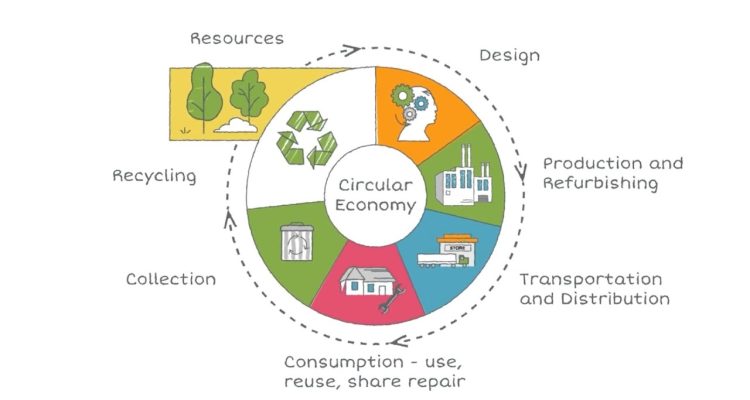
In an era where environmental consciousness is no longer optional but essential, forward-thinking corporations are fundamentally reimagining their relationship with the planet. LG Electronics has emerged as a pivotal player in this transformation, moving beyond surface-level “green” marketing to embed a circular economy model into its core business strategy. This commitment, most visible in its ambitious use of post-consumer recycled (PCR) materials, represents not just an environmental imperative but a profound shift in how we conceive of product life cycles—from creation to disposal and rebirth.
The Linear Problem and the Circular Solution
For decades, the dominant industrial model has been linear: take resources, make products, and dispose of them as waste. This “take-make-dispose” paradigm is a leading driver of resource depletion and environmental pollution. The circular economy, in stark contrast, is regenerative by design. It aims to keep products, components, and materials at their highest utility and value at all times, effectively designing waste out of the system.
LG’s strategy aligns with principles championed by global thought leaders like the Ellen MacArthur Foundation, a leading authority on circular economy principles. Their model emphasizes three core tenets: eliminating waste and pollution, circulating products and materials, and regenerating nature. LG’s public commitments and material innovations suggest a corporate roadmap built directly upon this framework.
LG’s Tangible Commitments: Beyond the Mission Statement
LG’s transition from theory to practice is evident in specific, measurable goals and product integrations:
-
Ambitious PCR Goals: LG has publicly committed to significantly increasing its use of recycled plastics. The target is clear: incorporate over 600,000 metric tons of recycled plastic between 2021 and 2030. This isn’t a vague aspiration but a quantifiable benchmark for progress.
-
Closing the Loop in Key Products: This commitment materializes in your home. Many of LG’s premium appliances, such as InstaView™ refrigerators and washer-dryer sets, now incorporate PCR plastics from sources like discarded water bottles and old electronics into their cabinets, tubs, and internal components. Each product becomes a testament to the possibility of a closed-loop system.
-
Transparency and Certification: To combat “greenwashing,” LG partners with certification bodies to verify the recycled content in its products. This move towards supply chain transparency is crucial, as noted in analyses by CNET on sustainable tech, which stresses the importance of verifiable claims in building consumer trust for eco-friendly products.
The Ripple Effect: Benefits Beyond the Bin
LG’s investment in a circular model creates a positive cascade of effects:
-
Reduced Carbon Footprint: Manufacturing with recycled plastics typically consumes less energy and emits fewer greenhouse gases than producing virgin plastics from fossil fuels. This directly contributes to LG’s broader carbon neutrality goals.
-
Diverting E-Waste: By creating a reliable market for PCR plastics, LG incentivizes better collection and processing of electronic waste (e-waste), a growing global crisis. It transforms a waste problem into a resource opportunity.
-
Driving Industry Innovation: LG’s scale forces the entire supply chain—from material recyclers to component suppliers—to innovate and scale up PCR material production, improving quality and availability for all manufacturers.
-
Engaging the Conscious Consumer: For a growing segment of buyers, a product’s environmental footprint is a key purchase criterion. LG’s commitment allows consumers to align their values with their purchasing decisions, fostering brand loyalty.
The Road Ahead: Challenges and Future Visions
The path to a fully circular economy is complex. Challenges remain, such as ensuring the consistent quality and supply of PCR materials, designing products for easier disassembly at end-of-life, and expanding take-back programs globally.
LG’s future initiatives may likely focus on:
-
Enhanced Product Durability and Repairability, extending product lifespans as the most fundamental form of waste reduction.
-
Expanding “Take-Back” and Refurbishment Programs, ensuring their own products are efficiently collected and fed back into the material recovery stream.
-
Innovating with New Materials, such as bio-based plastics, to further reduce reliance on fossil-fuel derivatives.
Conclusion: A Model for Responsible Industry
LG’s commitment to recycled materials and a circular economy signifies more than a corporate sustainability report bullet point. It represents a holistic re-engineering of business practices for long-term resilience and responsibility. By closing the loop, LG is not just minimizing its environmental impact; it is actively building a system where economic growth and environmental stewardship are mutually reinforcing. As this model proves its viability at scale, it sets a powerful precedent, challenging the entire electronics and appliance industry to rethink its relationship with the planet’s resources and move from being a part of the environmental problem to the core of its solution.