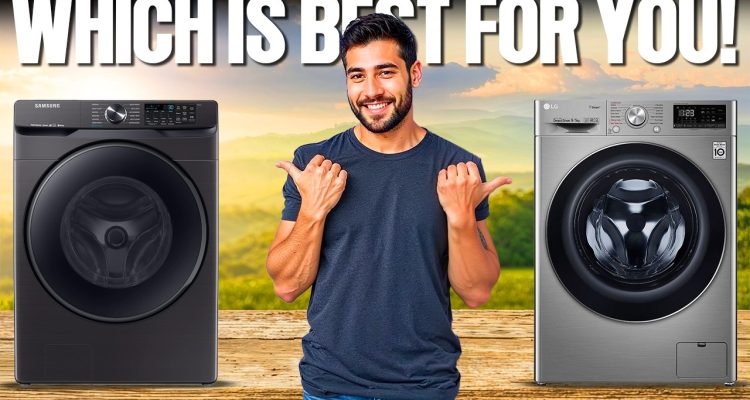
In the high-stakes arena of home appliances, three titans—LG Electronics, Samsung, and Whirlpool—engage in a continuous cold war for your kitchen and laundry room. This isn’t just a contest of features; it’s a clash of corporate philosophies, technological roadmaps, and brand identities. While Samsung dazzles with integrated tech and Whirlpool champions American-built reliability, LG has carved out a formidable position by betting big on innovation in specific, impactful categories. Let’s explore the key battlegrounds defining this rivalry.
1. The Innovation Front: LG’s Niche Domination vs. Samsung’s Broad Integration
LG’s strategy often involves deep specialization. This is most evident in laundry, where their Direct Drive Motor technology, marketed for exceptional durability and quiet operation, has become a major selling point. Their Styler garment care cabinets, while a premium product, created an entirely new category, showcasing a willingness to innovate beyond conventional appliances.
Samsung, by contrast, often pushes the envelope on broad ecosystem integration and visual design. Their Family Hub refrigerators, featuring giant touchscreens and smart home capabilities, aim to be the command center of the kitchen. According to a comprehensive smart home analysis by CNET, this approach makes Samsung a leader in connected appliance ecosystems, though it raises questions about long-term software support.
The Verdict: LG wins on engineered, hardware-focused innovations for core tasks. Samsung leads in connected, futuristic visions of the smart home.
2. The Reliability & Heritage Battle: Whirlpool’s Fortress vs. LG’s Premium Push
Whirlpool Corporation (including brands like Maytag and KitchenAid) holds a unique card: a century-long reputation for dependable, serviceable appliances. For many consumers, particularly in North America, the Whirlpool name is synonymous with proven performance and widespread service networks. As noted by Consumer Reports in their appliance brand reliability surveys, Whirlpool and its subsidiaries consistently score high for owner satisfaction and fewer repairs, a testament to their build philosophy.
LG competes here not by battling on pure “durability” alone, but by wrapping reliability into a premium package. Their 10-year warranty on compressor parts in refrigerators is a direct and powerful marketing tool designed to instill confidence and offset perceptions of lower longevity. They focus on performance features—like their InstaView knock-on refrigerators or TrueSteam technology in washers—to justify their premium positioning.
The Verdict: Whirlpool holds strong on traditional trust and serviceability. LG counters with aggressive warranties and premium features that promise a superior experience.
3. The Design & User Experience Arena
Design is a critical differentiator:
-
LG favors curved, ergonomic designs, intuitive knob-based controls (like on their iconic TurboSteam washers), and a focus on tactile user interaction.
-
Samsung often opts for sleek, minimalist aesthetics, seamless embedding (like SpaceMax technology for slimmer yet capacious walls), flashy digital interfaces.
-
Whirlpool/KitchenAid leans into classic, professional-inspired looks (like the iconic stand mixer colors) and straightforward functionality, which design authority Architectural Digest often highlights in features on timeless kitchen design.
4. The Smart Home Convergence
All three giants are investing heavily in connectivity. Samsung leverages its strength in smartphones and TVs. Whirlpool partners widely with platforms like Google Assistant and Amazon Alexa. LG, however, uses its ThinQ AI platform to emphasize practical intelligence—like washers that recommend cycles based on fabric or refrigerators that can monitor expiration dates. Their focus appears to be on useful automation over flashy screens.
Conclusion: A Market Defined by Strategic Choices
The “appliance wars” don’t have a single winner. Instead, they reveal a market segmented by consumer priorities:
-
Choose LG for cutting-edge, hardware-focused innovation in laundry and kitchen staples, backed by strong warranties.
-
Choose Samsung for a highly visual, tech-forward ecosystem that turns appliances into digital hubs.
-
Choose Whirlpool (or its subsidiaries) for time-tested reliability, straightforward serviceability, and classic design.
Ultimately, LG competes not by trying to beat Samsung and Whirlpool at every game, but by dominating specific, high-value categories and relentlessly communicating engineering prowess. This focused approach ensures the battle for your home remains fiercely competitive, driving innovation and choice for consumers everywhere.