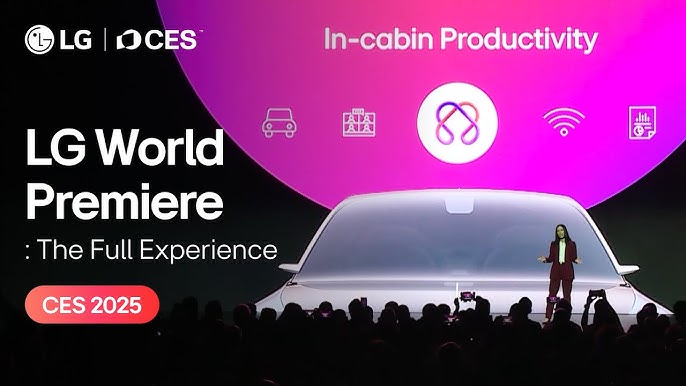
From Phones to Future Tech: How LG Is Reinventing Itself After Smartphones
LG’s exit from the smartphone market in 2021 wasn’t an ending—it was a strategic pivot. The company has redirected its substantial R&D resources and engineering talent toward high-growth B2B sectors. This deep dive analyzes how LG Vehicle Solutions, LG Robotics, and LG Digital Signage are driving LG’s transformation into a diversified technology solutions powerhouse.
1. LG Vehicle Solutions: Powering the Electric and Connected Car Revolution
With the automotive industry undergoing its most significant transformation in a century, LG has positioned itself as a critical supplier in the electric vehicle (EV) ecosystem.
-
Core Focus Areas:
-
In-Vehicle Infotainment & Connectivity: Developing advanced digital cockpits, telematics systems, and connected car platforms that integrate seamlessly with users’ digital lives.
-
Electric Vehicle Components: A leader in supplying crucial parts like vehicle display solutions, advanced lighting systems, and, through its joint venture with Magna, e-Powertrains (motors, inverters, and onboard chargers).
-
Autonomous Driving Support: Supplying high-reliability components for ADAS (Advanced Driver-Assistance Systems), including sensors and critical communication modules.
-
-
Growth Drivers: The global shift to electric vehicles, increasing demand for sophisticated in-car experiences, and the rise of software-defined vehicles create a massive, long-term market for LG’s B2B expertise in displays, electronics, and system integration.
2. LG Robotics: Automating Industries with Smart Logistics and Service Bots
LG is leveraging its AI and sensor technology to create practical robotics solutions for enterprise and public spaces.
-
Core Focus Areas:
-
Service Robotics: LG CLOi ServeBot for hospitality and food service, and guide robots for airports, hotels, and retail environments, enhancing customer experience and operational efficiency.
-
Logistics & Warehousing: Autonomous mobile robots (AMRs) designed to streamline material handling, inventory management, and goods transportation in factories and fulfillment centers—a direct play into e-commerce growth.
-
Collaborative Robots (Cobots): Developing robots that can work safely alongside human workers to improve productivity in manufacturing and complex assembly tasks.
-
-
Growth Drivers: Persistent labor shortages, the need for operational efficiency, and the rising feasibility of ROI in automation make LG’s robotics division a key growth vector, particularly in logistics, healthcare, and hospitality.
3. LG Digital Signage & B2B Displays: Dominating the Visual Communication Space
This is arguably LG’s most established and dominant B2B segment. LG is a world leader in providing display solutions far beyond the consumer TV market.
-
Core Focus Areas:
-
Commercial Displays: High-brightness, durable displays for retail advertising, corporate lobbies, and control rooms.
-
Transparent OLED & LED Screens: Innovative display technologies that create futuristic retail experiences, museum exhibits, and architectural installations.
-
Interactive Kiosks & Wayfinding: Touch-enabled displays and software solutions for self-service in restaurants, retail, and public venues.
-
Hospitality & Aviation TVs: Specialized displays with integrated content management for hotels, hospitals, and airplanes.
-
-
Growth Drivers: The digitization of out-of-home advertising, the need for dynamic communication in retail and corporate spaces, and the adoption of interactive customer touchpoints fuel continuous demand for LG’s premium B2B display solutions.
The Strategic Synergy: Why This B2B Pivot Makes Sense
LG’s move into these B2B technology sectors is not random. It leverages deep, existing competencies:
-
Display & Hardware Prowess: Core expertise from its consumer TV and appliance business directly feeds into Vehicle Displays and Digital Signage.
-
B2B Integration Experience: Decades of supplying complex components and systems to other manufacturers provide a crucial foundation.
-
Long-Term Contracts & Recurring Revenue: B2B contracts offer greater predictability and stability than the volatile consumer smartphone market.
-
Higher Margin Potential: Specialized industrial and automotive components often command better margins than commoditized consumer electronics.
Conclusion: LG’s Calculated Reinvention
While “LG” may still evoke thoughts of TVs and washingmen for consumers, its future growth engine is firmly B2B. By strategically investing in Vehicle Solutions, Robotics, and Digital Signage, LG is building a more resilient, innovation-driven, and profitable company. The pivot from a turbulent consumer battleground to strategic B2B partnerships positions LG not as a fading brand, but as a behind-the-scenes technology enabler for the next generation of transportation, automation, and digital communication.
The key takeaway: LG’s B2B frontier represents a classic corporate reinvention—applying core strengths to adjacent, high-growth markets where scale, engineering excellence, and reliability are the ultimate currencies.