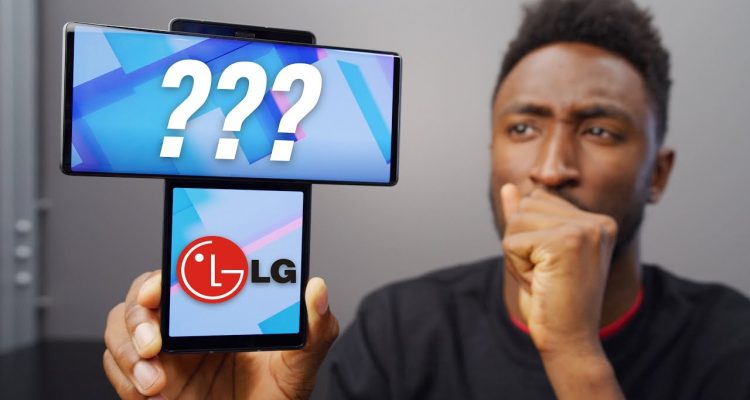
In April 2021, LG Electronics made a shocking announcement: it was exiting the global smartphone market. After nearly 12 years of operation and over 20 models released, the decision marked the end of an era for the Korean tech giant. This move left many wondering: Why did LG quit the smartphone business? This analysis goes beyond the headlines to uncover the strategic reasons behind the exit and what it reveals about LG’s future direction.
Section 1: The Financial Reality – Mounting Losses
The most immediate cause was a sustained period of financial losses. LG’s mobile division reported 23 consecutive quarters of losses—almost six years—amounting to an estimated $4.5 billion. Key factors included:
-
Intense Price Competition: Squeezed between Apple’s premium dominance and Chinese manufacturers like Xiaomi and Oppo offering high-spec, low-cost devices.
-
Low Market Share: LG’s global share had dwindled to around 2%, making it impossible to achieve the economies of scale needed for profitability.
-
High Operating Costs: Maintaining R&D, marketing, and channel partnerships for a shrinking business became unsustainable.
Section 2: The Competitive Landscape – A Battle LG Couldn’t Win
The smartphone industry had matured into a hyper-competitive arena where LG faced structural disadvantages.
-
The iOS/Android Duopoly: LG’s reliance on Android placed it in direct competition with Samsung, which benefited from deeper integration with the OS and its own component supply chain.
-
Supply Chain Disadvantages: Unlike Samsung, LG lacked vertical integration for key components like displays and chipsets, hurting margins and innovation speed.
-
Brand Perception Challenges: LG struggled to define a clear brand identity in smartphones, caught between “innovation” and “value,” while competitors had firmly carved out their niches.
Section 3: The Innovation Gamble – Hits and Misses
LG was often a bold innovator, but its bets failed to translate into commercial success.
-
Modular Phones (LG G5): The “Friends” modular concept was complex, poorly supported, and commercially rejected.
-
Dual Screens & Swivel Phones (LG Wing): While earning tech praise, these were seen as niche “gimmicks” by the mainstream market.
-
Software & Update Delays: LG was frequently criticized for slow Android OS updates, hurting its reputation among enthusiasts.
Section 4: The Strategic Pivot – Redirecting Resources
Exiting smartphones wasn’t just a retreat; it was a calculated strategic pivot. LG redirected capital and engineering talent toward high-growth sectors aligned with its core strengths.
-
Electric Vehicle (EV) Components: A massive growth area. LG’s Vehicle component Solutions (VS) Division supplies batteries, infotainment systems, and displays to major automakers.
-
AI & Smart Home Ecosystems: Doubling down on its LG ThinQ AI platform and connected home appliances.
-
B2B & Robotics: Expanding in digital signage, service robots, and smart business solutions.
-
Core Strengths: Reinforcing its #1 position in OLED TVs and premium home appliances.
Section 5: The Aftermath and Industry Impact
The decision had immediate effects:
-
Market Consolidation: It further consolidated the market around a few top players, primarily Samsung (Android) and Apple in the premium space.
-
Customer Transition: LG committed to providing software updates for a period and facilitated transitions for existing users.
-
Employee & Supply Chain: Resources were reassigned internally to the growth sectors mentioned above.